
RESOURCES FOR EDUCATORS
*
RESOURCES FOR EDUCATORS *
Are you a K-12 educator or school staff in Whatcom County who wants to learn more and take action for racial justice in our schools?
Here are some action items and resources to get you started.
#1. BRING ANTI-RACIST EDUCATION TO THE CLASSROOM

Talking with students about race and racism is essential and it’s something you don’t have to do alone. This collection from the New York Times brings together over 75 lesson plans, conversation guides, and activities to support meaningful, age-appropriate discussions in the classroom.
-
Writing Prompts
Picture Prompt | How Would You Describe Your Identity?
Generation Z is known as the most diverse generation in American history. How would you describe your identity? What sets you apart from others in your generation?Picture Prompt | What Assumptions Have People Made About You Based on Your Race, Religion, Gender, the Way You Dress, or Anything Else?
“Isaiah Lopaz is a Black American living in Berlin. On a regular basis Germans ask him where he comes from. No, no, where he really comes from. He’s a college-educated artist and writer — who is frequently mistaken for a drug dealer.”Student Opinion | What Does Your Accent Say About Who You Are?
Are you proud of your accent? Do you have favorite slang or expressions from your city or town? How important is your accent to your identity?Student Opinion | How Do You Connect to Your Heritage?
Do you feel connected to your family and cultural roots? Or do you feel distant or cut off from them?Student Opinion | What Does Your Unique Style Say About You?
How much do you think about what you wear and how you look? Do your clothes, hairstyle and accessories say something larger about your identity?Student Opinion | How Much Has Your ZIP Code Determined Your Opportunities?
To what extent has where you were born, and where you’ve grown up, affected who you are?Student Opinion | Does Your Teacher’s Identity Affect Your Learning?
Does your teacher’s identity — his or her race, gender, sexual orientation, background or other factors — influence how you relate to your teacher, how you view yourself and your abilities, or your interest in what you’re learning?
Films & Graphs
Film Club | 26 Mini-Films for Exploring Race, Bias and Identity With Students
This teaching guide provides teaching ideas for films from four different series published by The Times from 2015 to 2017.Film Club | ‘Dancing As the Spirit of a Wild Grizzly Bear’
In what ways do people and cultures honor the natural world? This three-minute film touches on themes of honoring ancestry and acknowledging the spirit in all living things.
Lesson Plans
Lesson of the Day | ‘Just 700 Speak This Language (50 in the Same Brooklyn Building)’
In this lesson, students will consider the languages in their communities and how language can be a way to preserve culture and tradition. Then they will identify elements of culture in their own homes.Lesson of the Day| ‘Fear, Anxiety and Hope: What It Means to Be a Minority in Gaming’
In this lesson, students take a critical look at how their own identities are — or are not — represented in games today. Then they will create a game that is representative of who they are.Lesson of the Day | ‘Sashaying Their Way Through Youth’
In this lesson, students will learn about tween and teen drag queens and think about their own identity and self-expression by creating a Starburst Identity Chart.Lesson of the Day | ‘The Quinceañera, Redefined’
In this lesson, students will learn about evolving ways to celebrate identity through coming-of-age traditions. Then they will reflect on the parts of their identity that are immediately seen versus those that are more hidden, and imagine their own coming-of-age celebration.Lesson of the Day | ‘“I Feel Invisible”: Native Students Languish in Public Schools’
In this lesson, students will consider if, and how, their culture is seen and valued in school as they learn about Native American high schoolers in Montana who navigate a school system that has failed American Indians.Lesson of the Day | ‘Black, Deaf and Extremely Online’
In this lesson, students will learn about the history of Black American Sign Language and why it is getting renewed attention today.
-
Writing Prompts
Student Opinion | Should All Americans Receive Anti-Bias Education?
Have you learned about prejudice, unconscious bias or racism in school? If so, when did you first start learning about these issues? What have you learned and how have you been taught about them?Student Opinion | Have You Ever Encountered Racist or Extremist Content Online?
Did you ever feel that someone or some group on the internet was trying to persuade you to think a certain way?Student Opinion | Is a Chinese-Style Prom Dress Worn by Someone Who Is Not Chinese Cultural Appropriation?
Can you recall any examples of cultural appropriation from the news or your own life? What were they and what made them disrespectful or exploitative?Student Opinion | How Much Racism Do You Face in Your Daily Life?
Do you feel very aware of your racial identity in your school or community? How often do you experience discrimination?
Films & Graphs
Film Club | ‘Coronavirus Racism Infected My High School’
How is the coronavirus pandemic bringing out fears, stereotypes, xenophobia and racism?Video | A Racist Attack Was Caught on Camera. Nearly 45 Years Later, It Still Stings.
This Times film features a clip from a 1976 documentary about a hateful attack on a group of Black children in New York City. You could use the video with our Film Club Double-Entry Journal.
Lesson Plans
Lesson of the Day | ‘What Students Are Saying About Race and Racism in America’
In this lesson, students will read what 36 teenagers think about these important, complicated, personal and often painful topics and then reflect on what they think as well.Lesson of the Day | ‘Can Biology Class Reduce Racism?’
In this lesson, students learn about misconceptions related to race and genetics — and why correcting them matters.Lesson of the Day | A Rise in Attacks on Asian-Americans
In this lesson, you will learn about racism against Asian-Americans, which has increased during the coronavirus pandemic, and consider what you can do to stop it in your school or community.Lesson of the Day | ‘College Made Them Feel Equal. The Virus Exposed How Unequal Their Lives Are.’
In this lesson, students will read about how the pandemic has affected one college class. Then they will reflect about what, if anything, the coronavirus crisis might mean for society and equality.Lesson of the Day | First Encounters With Race and Racism: Teaching Ideas for Classroom Conversations
The Times partnered with Youth Radio to ask teenagers across the country, “What is your earliest experience dealing with race?” Included here are four of their stories, along with related learning activities.
-
Writing Prompts
Student Opinion | How Have You Learned About Slavery?
What have you learned about slavery at home or in school? In your opinion, have you received a robust and accurate education about slavery in the United States? If not, what has been lacking?Student Opinion | Does the United States Owe Reparations to the Descendants of Enslaved People?
The idea of economic amends for past injustices and persistent disparities is getting renewed attention. What do you think should happen?Student Opinion | How Should We Remember the Problematic Actions of the Nation’s Founders?
New research finds that Alexander Hamilton, like other founders, bought, sold and personally owned enslaved people. How do we reconcile this history with the contributions they made to this country?Student Opinion | Should We Rethink Thanksgiving?
In a year of a pandemic, racial reckoning and a tense election, how should we celebrate? How should teenagers hold the complicated history of this holiday alongside the devastation and loss of this year?Student Opinion | Do You Think the World Is Getting Closer to Securing the Promise of ‘Never Again’?
In the years after the Holocaust, the phrase has come to represent a universal goal to prevent future genocides. Are we moving in the right direction?Student Opinion | What Role Should Textbooks Play in Education?
Does your school use textbooks for teaching and learning? Are there certain subjects for which you think textbooks are important?
Films & Graphs
Film Club | ‘What It Means to Be Black in America’
In 2020 The Times published a collection of six short films for Black History Month. How do these films help us learn about, recognize and celebrate Black American lives, culture and history?Film Club | ‘116 Cameras’
This film follows Eva Schloss, a Holocaust survivor and stepsister of Anne Frank, as she participates in an interactive hologram project to preserve her story for conversations with future generations.Virtual Reality Film | Memorials and Justice
This lesson plan features a 360-degree documentary, in which students will travel with Audra D.S. Burch, a New York Times correspondent, to the Mississippi town where Emmett Till was killed.What’s Going On in This Graph? | Racial Diversity by Neighborhood
How has racial diversity in American neighborhoods changed since 1980?
Lesson Plans
Lesson of the Day | Learning About Slavery With Primary Sources
In this lesson, students will use primary sources from the Smithsonian’s National Museum of African American History and Culture to better understand the history of slavery in the United States.Teaching Guide | Teaching Japanese-American Internment Using Primary Resources
In this lesson, students use original Times reporting and other resources to investigate the forced internment of Japanese-Americans.Teaching Guide | Still Separate, Still Unequal: Teaching About School Segregation and Educational Inequality
Although many students learn about the struggles to desegregate schools in the civil rights era, segregation as a current reality is largely absent from the curriculum. This teaching resource uses Times articles and Op-Eds to investigate the issue.Lesson of the Day | ‘Two States. Eight Textbooks. Two American Stories.’
In this lesson, students will learn how textbooks from California and Texas reflect deep partisan divides, and consider whether history can ever be neutral.Lesson of the Day | Front Page History: Teaching About Selma Using Original Times Reporting
A lesson that encourages students to become historians — to read original Times reporting on the Selma, Ala., marches and uncover important distinctions between primary and secondary sources.Text to Text | ‘Why Reconstruction Matters’ and ‘Black Reconstruction in America’
In this lesson, we pair Eric Foner’s Op-Ed essay “Why Reconstruction Matters” with an excerpt from W.E.B. Du Bois’s 1935 book “Black Reconstruction in America.”Teaching Guide | Teaching About Charlottesville With Resources from The New York Times
A roundup of Times articles, Opinion pieces and videos related to the events in Charlottesville and their aftermath, as well as teaching resources from The Learning Network and other educational organizations.Teaching Guide | The Death of Michael Brown: Teaching About Ferguson
Ideas, questions and resources from our audience, The Times and around the web for addressing the events of summer 2014 in Ferguson, Mo., in the classroom.Resource List | Celebrating Black History With The New York Times
Recent and archival articles, essays, photographs, videos, infographics, writing prompts, lesson plans and more.Resource List | Teaching and Learning About Martin Luther King Jr. With The New York Times
How do you celebrate and teach the legacy of Martin Luther King Jr., both on the holiday that celebrates his birth, and all year long?
-
Writing Prompts
Student Opinion | Is It Offensive for Sports Teams and Their Fans to Use Native American Names, Imagery and Gestures?
The Kansas City Chiefs faced the San Francisco 49ers for Super Bowl LIV. Chiefs fans regularly use a “tomahawk chop” to urge on their beloved team: Is it offensive?Student Opinion | Should We Rename Schools Named for Historical Figures With Ties to Racism, Sexism or Slavery?
The San Francisco Board of Education recently voted to rename 44 schools, citing a reckoning with racism. Do you agree with its decision? Or does it go too far?Student Opinion | Should Schools or Employers Be Allowed to Tell People How They Should Wear Their Hair?
Do employers or school administrators have the right to make rules about hairstyles, hair color and facial hair?Student Opinion | Is Racial and Economic Diversity in Schools Important?
School districts and communities across the country are wrestling with this question. What do you think should happen?Student Opinion | Is Fear of ‘The Other’ Poisoning Public Life?
Is there a growing pattern of hatred in the United States, in which “political enemies in America deny each other’s humanity” and individuals and groups seek to harm people who are different from them?Current Events Conversation | What Students Are Saying About the George Floyd Protests
A roundup of student comments in response to our question about their thoughts, feelings and reactions to the death of George Floyd and the protests that followed.
Films & Graphs
Film Club | ‘Why Voting in This U.S. Election Will Not Be Equal’
Why is it harder for some people to vote than for others?Film Club | ‘Taking a Knee and Taking Down A Monument’
A short film about a mother who navigates racial tensions that flare up around her son’s wish to kneel during the national anthem, and her own wish to have a Confederate monument removed.What’s Going On in This Graph? | Diversity in Professional Sports
Have major sports leagues lived up to their initiatives to diversify team leadership?What’s Going On in This Graph? | Mortality by Race
What are the leading causes of death for white and Black Americans? Why is there a gap in mortality rates?
Lesson Plans
Teaching Guide | Teaching Ideas and Resources to Help Students Make Sense of the George Floyd Protests
Putting the demonstrations into a larger context, with help from The Times and other news and educational organizations.Lesson of the Day | ‘Capitol Riot Puts Spotlight on “Apocalyptically Minded” Global Far Right’ In this lesson, students will learn about white nationalist reactions to the Capitol riot. Then they will share how they think the government and communities should respond to white supremacy.
Lesson of the Day | ‘Rural Montana Had Already Lost Too Many Native Women. Then Selena Disappeared.’
In this lesson, students will learn about the crisis of missing Native American women and the response from communities, law enforcement and politicians.Lesson of the Day | ‘Missing in School Reopening Plans: Black Families’ Trust’
In this lesson, students will learn about how historical racism contributes to Black families’ distrust in school districts.Lesson of the Day | Moving On Up: Teaching With the Data of Economic Mobility
Students will explore economic mobility using The Upshot’s interactive tool that allows users to create their own data visualizations.Lesson of the Day | ‘Will American Ideas Tear France Apart? Some of Its Leaders Think So’
In this lesson, students will learn about French people who want to center conversations on race, gender and post-colonialism and those who fear such conversations threaten national identity and unity. Then they will consider if, and how, these tensions exist in their community.Lesson of the Day | ‘When the Monkey Chants Are for You: A Soccer Star’s View of Racist Abuse’
In this lesson, students will look at racism in European soccer and explore ways to address and remedy the problem.Lesson of the Day | ‘How Black Lives Matter Reached Every Corner of America’
In this lesson, students will use more than 200 photographs to learn about the protests that swept across the United States last year in late May and June.
-
Writing Prompts
Student Opinion | What Are You Doing to Change Your School?
Are there things about your school district, administration, curriculum or culture that you want to see change? What are you and your peers doing to make that happen?Student Opinion | How Should Schools Hold Students Accountable for Hurting Others?
When there are incidents of racism, sexism, anti-Semitism, homophobia or just plain bullying in a school community, what should a school do? What does justice look like?Student Opinion | How Should Racial Slurs in Literature Be Handled in the Classroom?
We look at whether the school context — the student body, teachers and larger community — should affect the way that books addressing race and racism are taught.Student Opinion | Is Your Generation Doing Its Part to Strengthen Our Democracy?
Before he died this summer, the civil rights leader John Lewis challenged us all to “redeem the soul of our nation.” How can you and others your age help?
Films and Podcasts
Film Club | ‘Meek Mill: Prisoners Deserve a New Set of Rights’
Meek Mill, a multiplatinum hip-hop artist and an advocate of criminal justice reform, describes how a disproportionate number of men and women of color are treated unfairly by a broken criminal justice system.Podcast | ‘Nice White Parents’ Discussion Guide
This companion guide invites families, students and educators to have a conversation about the goals of public education in America, and the relationship between race, social class and a quality education.
Lesson Plans
Guest Post | Ideas for Student Civic Action in a Time of Social Uncertainty
A five-step process for giving students agency in taking on issues they care about.Unit | The Power to Change the World: A Teaching Unit on Student Activism in History and Today
How much of a difference can young people make in addressing the problems our society faces? What makes their voices uniquely powerful?Lesson of the Day | ‘The Thanksgiving Myth Gets a Deeper Look This Year’
In this lesson, students will learn how some Native Americans are re-envisioning Thanksgiving during a year of racial reckoning and Covid-19 deaths.Lesson of the Day | ‘Occupy Alcatraz: Native American Activism in the Modern Era’
In this lesson, students will learn about Native American protest and activism — past and present.Lesson of the Day | ‘A Battle for the Souls of Black Girls’
In this lesson, students will learn about the ways that Black girls are disproportionately disciplined in schools — and what activists, teenagers and politicians are doing about it.Lesson of the Day | ‘Does Hispanic Heritage Month Need a Rebrand?’
In this lesson, students examine the history of and issues with the way Latinx communities are represented and honored.
-
The 1619 Project Curriculum
This collection of reading guides, classroom activities and other resources offer educators different ways to bring The 1619 Project into the classroom.Facing History and Ourselves
Facing History has a collection of teaching strategies that can support conversations about race and racism in the classroom. Additionally, their Race in U.S. History resources have lesson plans and curricular units, including “The Reconstruction Era” unit.Learning for Justice
Learning for Justice’s Social Justice Standards offer a framework for anti-bias education and lay out specific goals for each grade level. “Teaching Hard History: American Slavery” is a comprehensive guide for teaching and learning about slavery with customized lessons for all grade levels.Center for Racial Justice in Education
CRJE trains and empowers educators to recognize and dismantle patterns of racism and injustice in schools and communities. You can access resources on their website and request trainings.EduColor
EduColor mobilizes advocates nationwide around issues of educational equity, agency and justice. We amplify the works and ideas of students, educators and communities of color through supportive on- and off-line networks and professional development.#DisruptTexts
This crowdsourced, grass-roots effort is led by teachers to challenge the traditional canon and create a more inclusive, representative and equitable language arts curriculum.The Anti-Defamation League: Resources for Educators, Parents & Families
ADL’s Education Department provides educational programs, training and resources for grades PreK-12 and university settings. Its anti-bias and bullying prevention programs assist educators and students in understanding and challenging bias and building ally behaviors.The Choices Program
Engaging, history-based curriculum for history and current issues courses. One example resource is this unit: Racial Slavery in the Americas: Resistance, Freedom, and Legacies.Rethinking Schools
In addition to publishing a magazine, Rethinking Schools also offers curriculum: “Teaching a People’s History of Abolition and the Civil War.”Stand for Children’s Center for AntiRacist Education
Launched in 2021 “to respond to the enormous number of teachers who want to contribute to ending racism in their schools and in society, but say they lack the tools, resources and professional development to do so.”#USvsHate
This organization is about embracing inclusion and justice for all in our diverse schools and society. Our messages insist publicly that all people are equally valuable.Zinn Education Project
The Zinn Education Project promotes and supports the teaching of people’s history in classrooms across the country. The site includes free, downloadable lessons and articles organized by theme, time period and grade level. -
Start with yourself: What do you believe about race, racism and racial equity, and where do these beliefs come from?
Understand historical context: How does history help contextualize what is happening in the world today?
Gain a better understanding of your students: How do your upbringing and life experiences affect what you believe and understand about your students? How do you connect with your students and their communities?
Practice self-care: For educators of color, these topics might be deeply personal, and even painful, because of your identity and lived experiences. What do you need to do, as a human being, to take care of your own well-being?
Use authentic sources and literature: Do the books and sources you use in your classroom expose students to multiple perspectives from diverse backgrounds?
Be vulnerable: To what extent can being “real” with students about your own related life experiences — and being willing to make mistakes, and even apologize when appropriate — help to create a learning environment conducive to discussing a range of issues, including racism?
Create class community and trust: How can you be really intentional in creating a positive classroom culture with clear norms where all students feel a sense of belonging?
-
Start with a temperature check: If you want to have an understanding of the classroom tone, consider starting with a brief writing exercise responding to the question, “How do you feel about having this conversation?”
Provide different options for participation:
Give students time to journal and reflect privately before opening up to a class discussion.
Allow students to talk to someone they are comfortable with in class.
Consider using a fishbowl discussion, with students engaging in a discussion in the inner circle while those in the outer circle listen and reflect.
Engage students in online written discussions, as long as they identify themselves and there are clear ground rules.
Using sentence stems: Sentence stems like, “I feel…,” “I think…,” “My experience is…,” or “My opinion is…,” can open up conversation and empower students to share their experiences. Similarly, giving students sentence stems with which to disagree (“I disagree because…”) can provide opportunities for students to share multiple perspectives and navigate difficult moments.
Allow students to clarify their statements: Give students the space to learn from each other and also call each other out, but with the follow-up question, “What do you mean when you say that?” to ensure that the call-out is not the end of the conversation, but the beginning.
Address language directly: Recognize the importance of language and the ways language has historically perpetuated racism and harassment. If a student uses language that is harmful — if possible, turn it into a teachable moment to learn about the history of what makes that language problematic.
Keep learning as you go: Continue to read and learn with colleagues or within other community spaces. When you make a mistake, find a way to repair and address the harm that has been inflicted.
#2. IMPLEMENT SINCE TIME IMMEMORIAL CURRICULUM

All public schools throughout Washington state are required to teach the John McCoy (lulilaš) Since Time Immemorial Tribal Sovereignty Curriculum or another tribally-developed curriculum. The use of the Since Time Immemorial Curriculum has been endorsed by all 29 federally recognized tribes. The OSPI Since Time Immemorial website includes ready to go lessons, implementation guides, and upcoming trainings.
-
The John McCoy (lulilaš) Since Time Immemorial tribal sovereignty curriculum uses three approaches:
An inquiry based approach with five essential questions:
How does physical geography affect the distribution, culture, and economic life of local tribes?
What is the legal status of tribes who "negotiated" or who did not "negotiate" settlement for compensation for the loss of their sovereign homelands?
What were the political, economic, and cultural forces consequential to the treaties that led to the movement of tribes from long-established homelands to reservations?
What are ways in which Tribes respond to the threats and outside pressure to extinguish their cultures and independence?
What do local Tribes do to meet the challenges of reservation life; and as sovereign nations, what do local Tribes do to meet the economic and cultural needs of their Tribal communities?
A place-based approach. Our approach encourages teachers and students to address the essential questions in the context of tribes in their own communities.
An integrated approach. Teachers choose how much time to spend on tribal sovereignty content to complete their units throughout the year. The integrated approach provides three levels of curriculum for each of the OSPI-recommended social studies units, each level building on the last. Tribal sovereignty lessons are aligned to the Common Core State Standards for English/Language Arts. Where appropriate, units build toward successful completion of Content Based Assessments (CBA).
-
For implementation resources and training materials, visit the OSPI Since Time Immemorial Curriculum website. If you would like assistance implementing the Curriculum at your school, please reach out to us.
-
#3. APPLY FOR EDUCATOR FUNDS

Whatcom CARE distributes grant funds to support K-12 educators who are eager to create more inclusive, multicultural, and anti-racist classrooms. These funds are specifically for educators, administrators, PTOs/PTAs, or others who regularly interact with K-12 public school students in Whatcom County.
Funds can be used for workshops, professional development opportunities, classroom materials, books, curriculum resources, projects, enrichment activities, or guest speakers that support educators in bringing anti-racist and culturally responsive pedagogy into their classrooms.
Please complete the Educator Fund Application below to make your funding request, and allow about 1-2 weeks for us to review it and respond.
#4. ADVOCATE FOR SYSTEM-WIDE CHANGE
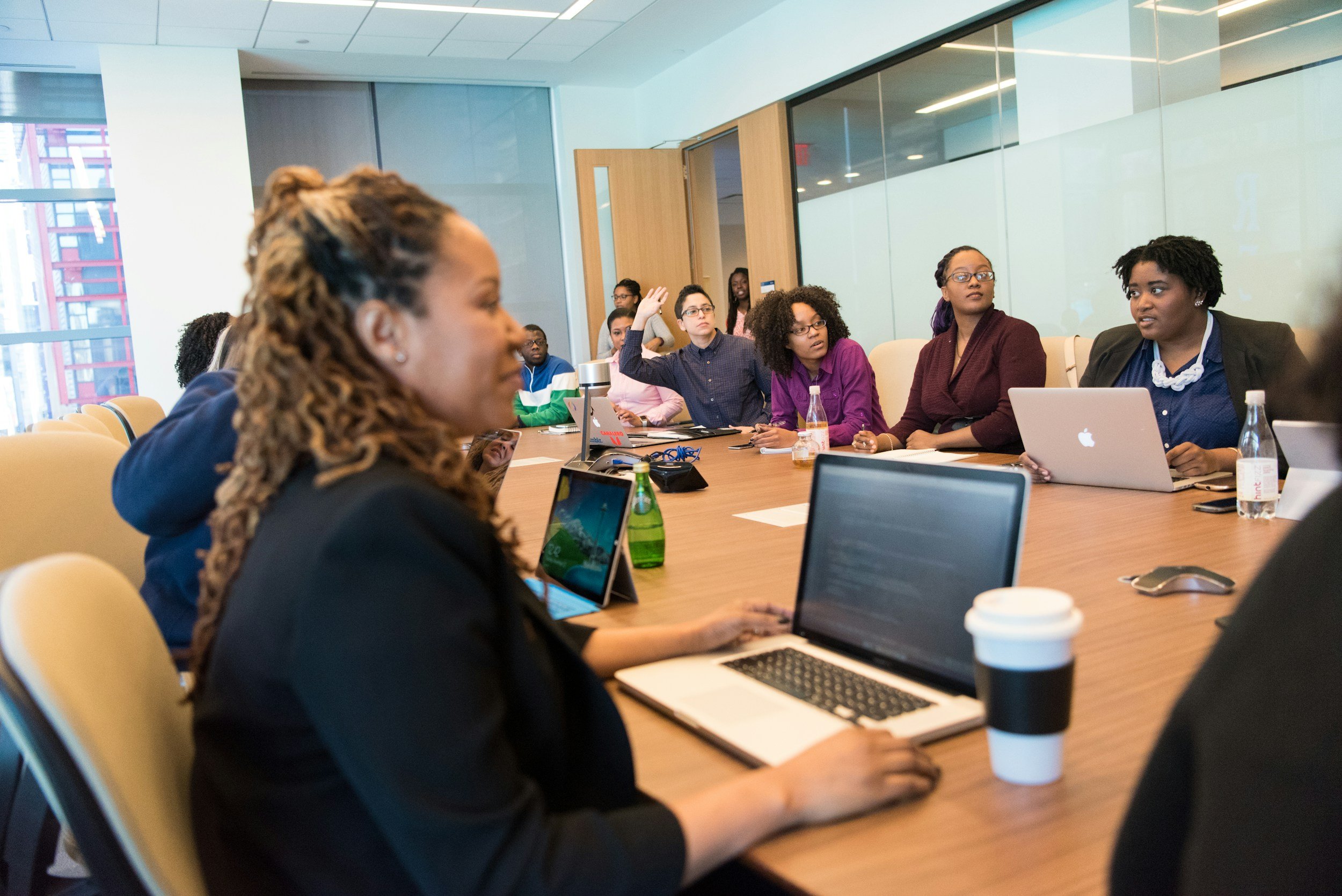
Antiracism in education isn’t just about individual beliefs—it requires systemic action. Educators, school administrators, and school board members have the power to create lasting change by shifting policies, practices, and school culture to actively dismantle racism and promote equity. This work is ongoing and requires collaboration, reflection, and a commitment to listening to students, families, and communities of color.
-
Audit curriculum and teaching materials to ensure they reflect diverse voices and histories, especially those of Black, Indigenous, and other communities of color.
Adopt equitable discipline policies that reduce racial disparities in suspensions, expulsions, and referrals to law enforcement.
Implement regular anti-racism training for all school staff—not just one-time workshops—and ensure they’re led by people with lived and professional expertise.
Hire and retain more educators of color through intentional recruitment, support, and retention strategies.
Build authentic relationships with families and communities of color, involving them in decision-making and leadership roles.
Set clear anti-racist goals and benchmarks in district strategic plans, and regularly report on progress to the public.
Create and support student-led initiatives that uplift youth voices and promote racial equity.
Analyze data with a racial equity lens, including academic outcomes, access to advanced coursework, disciplinary actions, and school climate surveys.
Ensure classroom practices are inclusive and culturally responsive, recognizing and valuing students’ identities and lived experiences.
Advocate for policies at the district, state, and federal levels that support equity in education funding, mental health resources, and access to opportunity.
-
Center for Racial Justice in Education – CARE Leadership Program: Offers a series of workshops and discussions aimed at helping educators become antiracist leaders and build supportive communities within their schools.
Washington Education Association (WEA) – Equity Training
WEA: Provides a range of professional development courses aimed at fostering equity-based practices among educators and administrators.Northwest Regional Equity Conference (NWREC): Held annually in Vancouver, WA, and virtually, NWREC brings together educators and leaders to engage in discussions and workshops on advancing equity and inclusion in the Pacific Northwest.
-
Promising Practices to Build Anti-Racist and Affirming Schools (Education Law Center, 2021): Outlines practical strategies for school leaders and educators to create affirming, anti-racist learning environments. Topics include culturally responsive curriculum, equitable discipline, family engagement, and teacher preparation. Great for both policy and classroom-level change.
5 Ways School Boards Can Address Racial Injustice (The Conversation, 2022): Offers a clear and concise breakdown of how school board members can use their power to advance racial equity, from reviewing disciplinary data to funding equity-focused initiatives.
Reducing Racism in Schools: The Promise of Anti-Racist Policies (UConn Neag School of Education, 2020): Written by education researchers, this piece explores how policies—not just personal beliefs—shape racial dynamics in schools. It includes actionable steps and a call to reimagine what equitable schooling looks like.
-
Washington Ethnic Studies Now: A grassroots campaign advocating for the statewide implementation of ethnic studies in K–12 public schools. The site offers organizing tools, sample legislation, and community resources to help educators and advocates push for culturally relevant curriculum rooted in racial justice.
Equity in Education Coalition – Legislative Actions: The Equity in Education Coalition (EEC) leads advocacy at the state level to dismantle systemic racism in education. This resource tracks current legislation, organizes community action, and provides accessible policy briefs to help stakeholders understand and influence education equity policy in Washington State.
The Bellingham Promise – Equity, Diversity, and Inclusion (EDI): The Bellingham School District's commitment to EDI is outlined in this strategic framework. It includes goals, current initiatives, and updates on professional development, inclusive curriculum, and structural equity efforts to make schools more welcoming and affirming for all students.